
Phygital is transforming the way we relate to brands. This fusion between the physical and digital worlds creates more human and personalized experiences. Understand how this connection is reinventing consumption and bringing companies closer to people.
Have you ever walked into a store, liked a T-shirt, and, before buying it, pulled out your phone to check reviews? Or scanned a QR code at the bus stop to get a discount? Well, these small everyday actions show how the line between the physical and digital worlds is disappearing.
We live with one foot in each world. We research products on Instagram, go to the store to see them, and then buy them on the website. And companies that still treat online and offline as separate universes are falling behind. Modern consumers no longer see a difference between these channels—they want a seamless, continuous experience.
The new way of consuming
The same movement that makes investors follow the Ethereum price as a barometer of the digital world is radically transforming how we consume. If cryptocurrencies represent the bridge between abstract value and real utility, retail is undergoing its own revolution: the definitive fusion of online and offline experiences.
Back in the 2000s, there was already talk of “phygital,” but the technology had not yet reached the necessary maturity. What was theory became practice with the popularization of smartphones—now an extension of our hands.
This technological evolution, the same one that enabled the emergence of Ethereum, also created the perfect conditions for consumers to become “phygital” without even realizing it. After all, we no longer tolerate queues, slow websites, or impersonal service. We want immediate answers and tailor-made experiences—when a brand fails to deliver, it only takes two taps on the screen to find a competitor.
This transformation is not isolated. The same ecosystem that enables cryptocurrencies to function underpins phygital retail innovations. Blockchain, Artificial Intelligence, and instant connections form the basis for both the digital marketplace and new consumer experiences.
Everything moves at the same impressive speed, creating a new normal where the boundaries between real and virtual simply disappear.
How it comes into our lives
Phygital is no longer a promise of the future—it has already arrived and is hidden in the details of our routine. Technology that once seemed distant now blends in with our simplest gestures, and companies have finally understood how to use it to make the customer experience more natural.
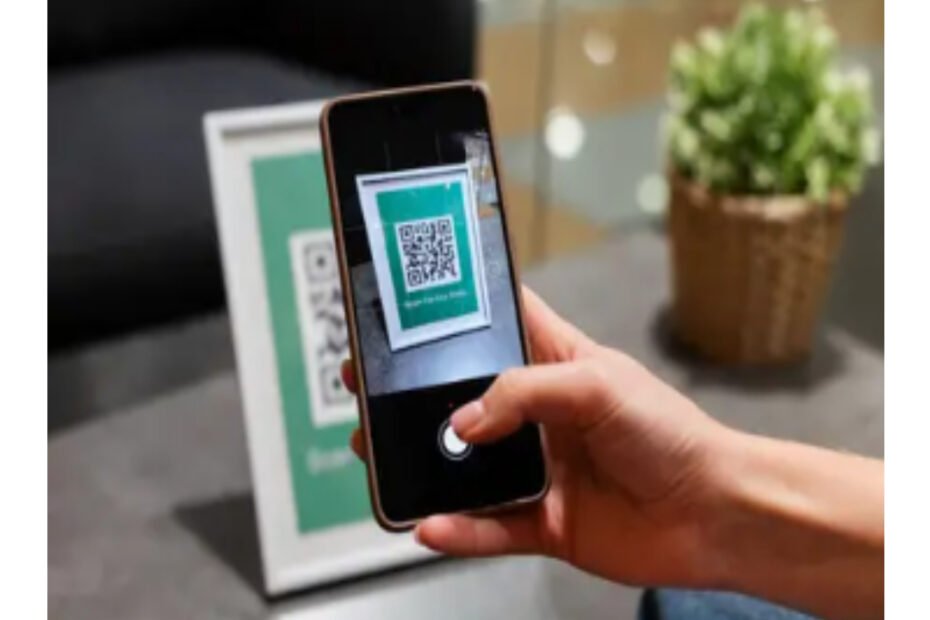
QR codes are living proof of this evolution. What once seemed like a forgotten feature has resurfaced with a clear purpose: to instantly connect the physical to the digital. Restaurants have turned these codes into live, constantly updated menus, while smaller establishments have discovered them to be an inviting way to offer benefits and start a relationship with customers.
Augmented reality is also becoming popular. You can even use Instagram filters to try on virtual makeup before buying, or use an app to design furniture in customers’ empty rooms—before, people had to imagine it, now they can see it.
What about cashierless stores? They are still rare here, but the idea is brilliant: you walk in, take what you need, and leave. The system identifies everything and charges you automatically. It sounds like something out of a movie, but it’s already a reality in some cities.
Success stories
Some companies have understood the spirit of the thing. Nike created a store with interactive fitting rooms: you try on an outfit and the wall of the fitting room turns into a screen that shows product information and suggestions for combinations. It’s magical!
Here in Brazil, C&A did an interesting experiment: it placed hangers that showed in real time how many likes each item had on social media. Even Netflix is embracing the technology. They are going to open physical spaces where fans can visit the sets of famous series.
What’s coming
This isn’t a passing trend. It’s here to stay and will continue to evolve. Soon, we’ll be talking to stores using voice commands, trying on clothes on our digital avatars, and receiving personalized offers at just the right time.
But the secret isn’t the most advanced technology. It’s technology that solves real problems. Like that grocery store app that warns you when there’s a long line—so you can choose to go at another time. Or the pharmacy system that remembers you always buy a specific medicine and alerts you when it’s about to expire.
Deep down, that’s what Phygital is all about: using digital technology to make physical contact more human, more convenient, more personalized. Companies that understand this will win us over. The others will be left behind. And look, this future isn’t coming—it’s already in the cell phone in your hand and present in the store right there
Ahaa, its good discussion about this piece of writing here at this blog, I have read all that, so now me also commenting here.
Thanks for your feedback! I’m glad you enjoyed the discussion. What points caught your attention the most? I’d love to hear your thoughts!